Press Brake Machines for Precision Sheet Metal Bending
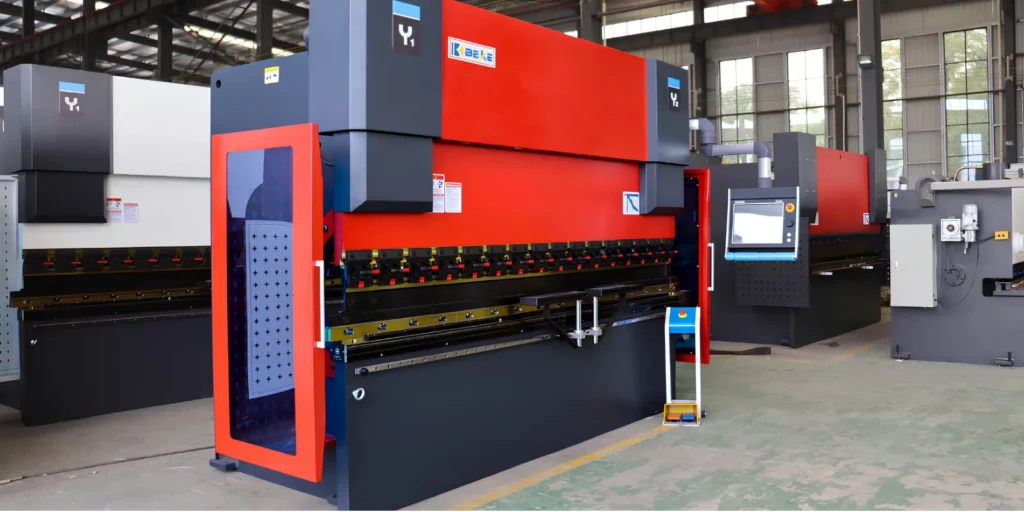
BENDORA is a press brake manufacturer providing CNC press brake machines for sheet metal bending and fabrication. Machine configurations are selected around material, thickness, bending length, part geometry, and production requirements.
Explore press brake equipment for sheet metal fabrication, with machine configurations selected around bending capacity, working length, positioning, tooling, and production requirements.
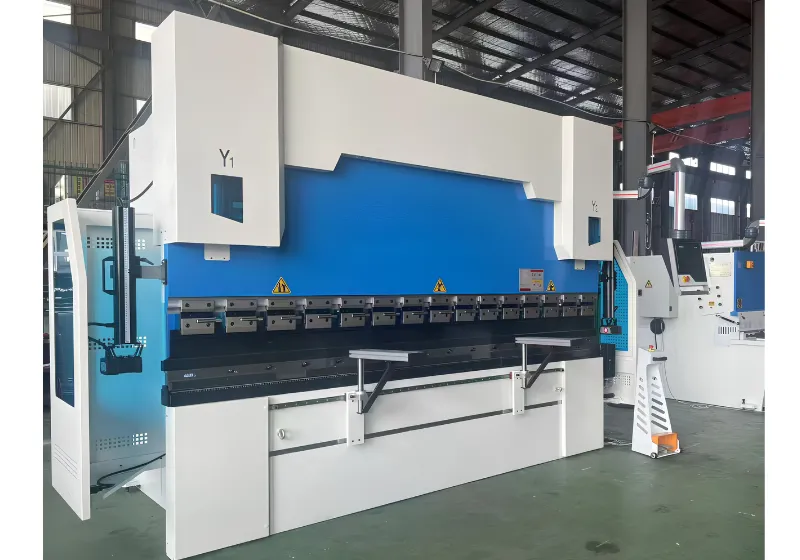
CNC Hydraulic Press Brake
CNC-controlled hydraulic bending with configurable tonnage, working length, backgauge, tooling, and control options for different sheet metal applications.
Press brake selection depends on more than machine tonnage. Material, thickness, bend length, part geometry, tooling, and positioning requirements all influence the appropriate machine configuration.
Bending Capacity
Material strength, thickness, bend length, and V-die opening determine the bending force required for the application.
Positioning & Control
CNC control and backgauge configuration affect workpiece positioning, bending sequences, setup, and repeatability.
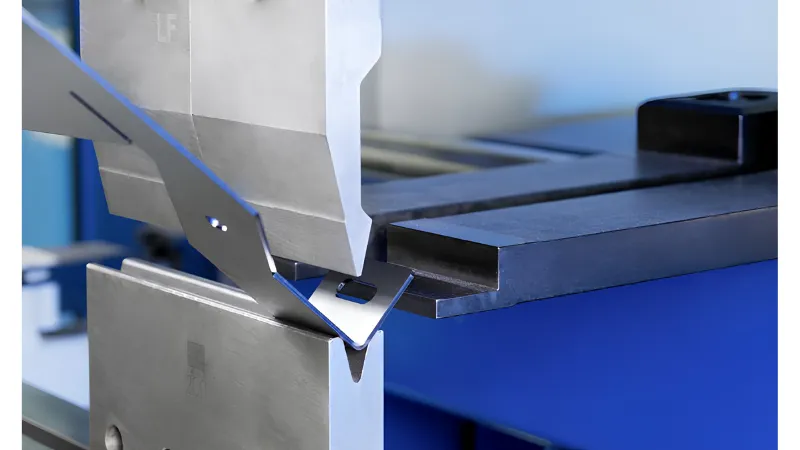
Tooling & Bend Geometry
Punches, dies, V openings, and tooling geometry influence bending force, bend radius, angle, and part feasibility.
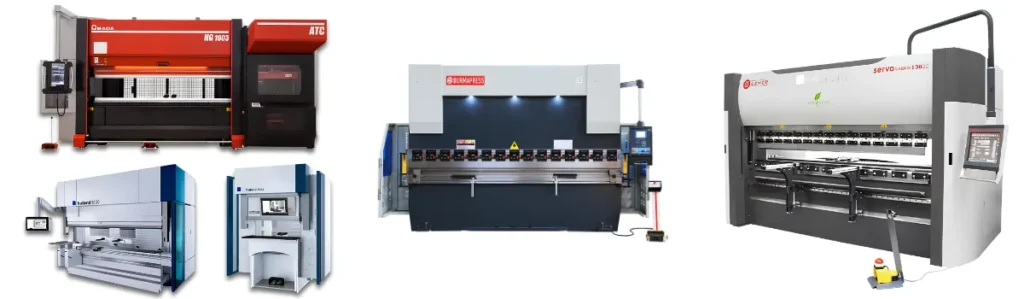
A press brake works as a system. CNC control, backgauge positioning, tooling, crowning, and safety devices all affect how the machine performs in production.
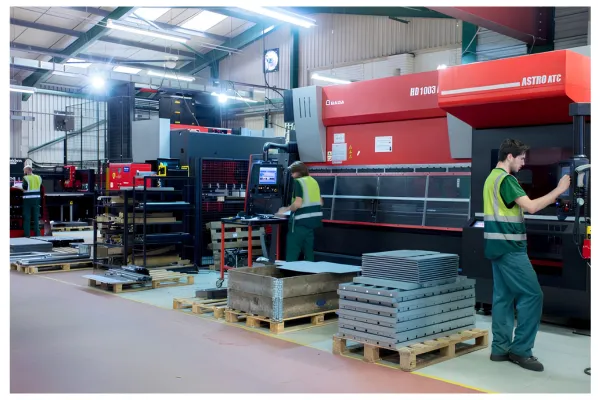
BENDORA is used to form components with different materials, thicknesses, bend lengths, and geometries across general fabrication and industrial production.
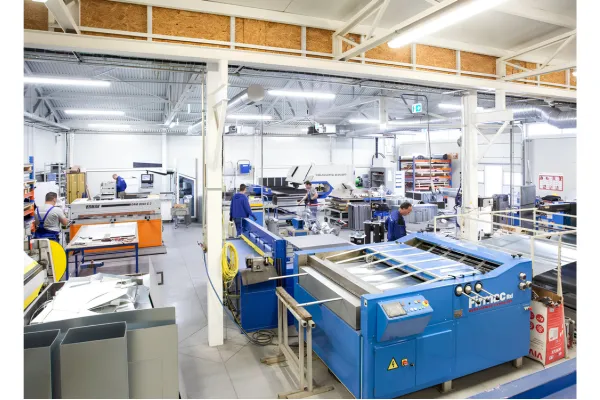
Sheet Metal Fabrication
Brackets, panels, frames, covers, channels, and other formed sheet metal components.
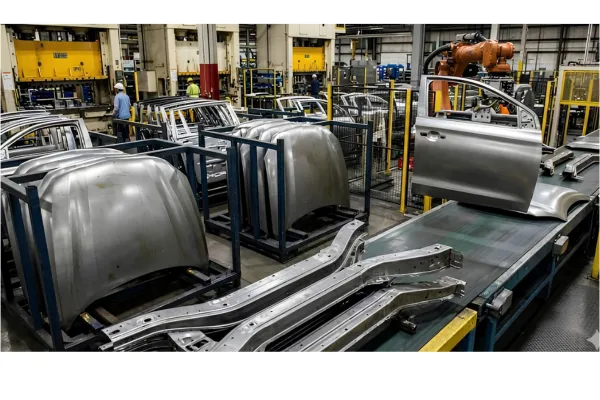
Automotive Components
Brackets, panels, frames, covers, channels, Formed brackets, panels, structural parts, and other sheet metal components used in vehicle production.
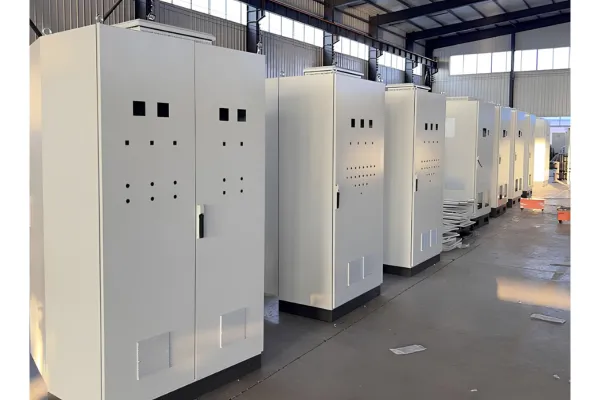
Electrical Cabinets
Panels, doors, covers, cabinets, and other formed components for electrical and control equipment.
HVAC & Metal Enclosures
Ducts, housings, covers, panels, and custom sheet metal enclosure components.
MANUFACTURING & QUALITY
From Machine Structure to Bending Performance
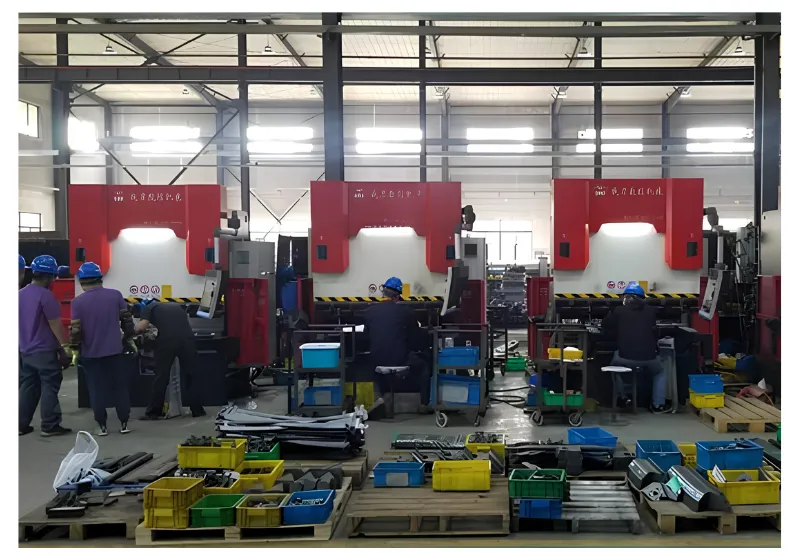
Press brake performance depends on the relationship between frame rigidity, machining accuracy, component alignment, machine setup, and final bending verification.
Frame Structure
Frame rigidity helps control machine deflection and provides a stable foundation for the ram, bed, tooling, and positioning systems during bending.
Precision Machining
Accurate mounting and alignment surfaces are important for assembling the ram, bed, backgauge, tooling interfaces, and other machine components.
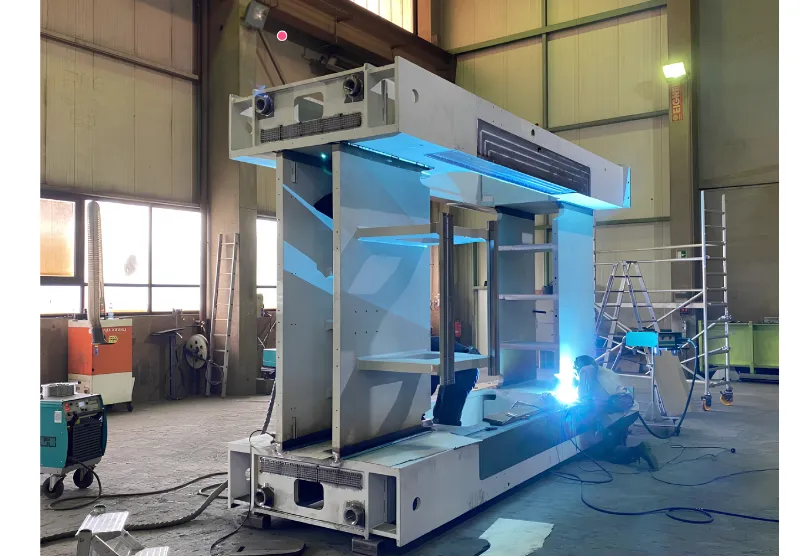
Assembly & Calibration
CNC controls, backgauges, hydraulic components, tooling interfaces, and positioning systems require correct assembly and calibration for consistent machine operation.
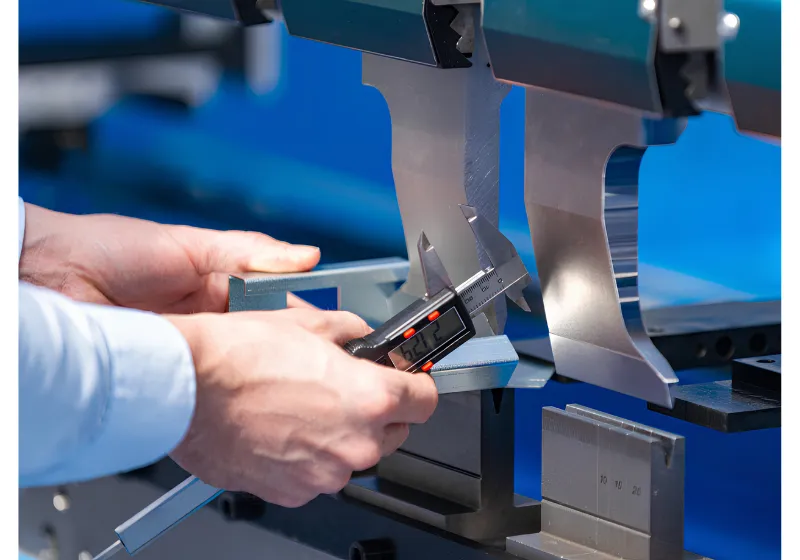
Inspection & Bending Verification
Machine geometry, positioning, safety functions, and trial bending can be checked to verify that the configured press brake performs as intended before production.
FAQ
What information do I need to choose a press brake?
Start with material type, maximum thickness, maximum bending length, part geometry, required bend radius, and expected production volume. These factors help determine tonnage, working length, tooling, backgauge, and CNC requirements.
What press brake type does BENDORA currently focus on?
BENDORA currently focuses on CNC hydraulic press brake equipment for general sheet metal fabrication and industrial bending applications.
How do I determine the required press brake tonnage?
Required tonnage depends primarily on material strength, thickness, bend length, forming method, and V-die opening. Use our press brake tonnage calculator for an initial estimate based on the bending application.
What is the difference between hydraulic and electric press brakes?
Hydraulic press brakes use hydraulic cylinders to generate ram force and movement, while electric press brakes use an electric drive system. Capacity, application, production requirements, energy use, and control characteristics can all influence machine selection.
Can a press brake be configured for different applications?
Yes. Press brake configurations can vary in tonnage, working length, CNC control, backgauge axes, tooling, crowning, and safety systems. The appropriate combination depends on the parts and bending processes involved.
Ready to Find the Right Press Brake?
Tell us your material, thickness, bending length, part geometry, and production requirements to identify a suitable press brake configuration for your application.