ABOUT BENDORA
About BENDORA Press Brake Manufacturer
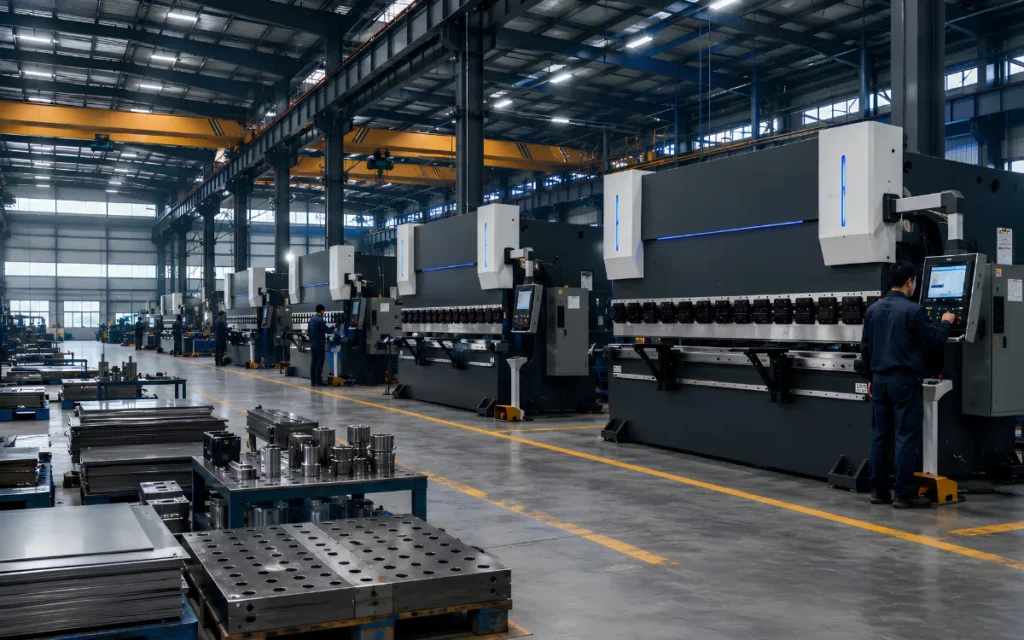
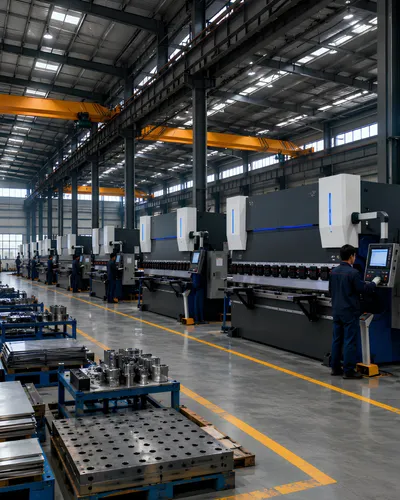
BENDORA focuses on press brake machines and sheet metal bending applications, with an emphasis on machine configuration, bending performance, tooling selection and production requirements.
From CNC hydraulic press brakes to configurations for different workpiece sizes and bending conditions, the focus is on matching machine capabilities to the actual bending application.
WHO WE ARE
Built Around Press Brake Applications
Bending requirements vary with material, thickness, bend length, part geometry, tooling and production volume. A suitable press brake configuration needs to account for these variables together rather than relying on machine tonnage alone.
Material & Thickness
Machine capacity depends on material properties, sheet thickness and the required bending method.
Bending Length
Working length should match the largest workpiece and the required bend configuration.
Tonnage Requirements
Required bending force depends on material strength, thickness, V-die opening and bend length.
Tooling & Geometry
Punches, dies and V-die openings should be selected according to the part geometry and bending requirements.
Press Brake Solutions for Different Bending Needs
From general sheet metal fabrication to precision, long-part and higher-force bending, press brake selection should be based on the material, workpiece dimensions, tooling and production requirements.
CNC & Precision Bending
CNC hydraulic press brakes provide controlled ram movement and positioning for repeatable sheet metal bending.
Heavy & Long-Part Bending
Long or heavy workpieces may require greater working length, bending force and appropriate workpiece handling arrangements.
Configured Press Brake Solutions
Machine configuration can be adapted around tonnage, working length, CNC control, backgauge axes, tooling and production requirements.
MANUFACTURING
From Frame Fabrication to Machine Assembly
A press brake combines structural, mechanical, hydraulic and electrical systems. Each stage of manufacturing and assembly can affect machine geometry, positioning and bending performance.
Frame Fabrication
The machine frame provides the structural foundation for bending under load. Rigidity and stable machine geometry are important for consistent operation.
Precision Machining
Critical mounting and alignment surfaces require controlled machining to support accurate assembly and positioning.
Machine Assembly
Hydraulic systems, CNC controls, backgauges and other machine components are integrated according to the required configuration.
Electrical Integration
CNC controls, electrical components and positioning systems are configured around the machine’s intended operation.
Tooling & Configuration
Tooling and machine configuration should be selected according to material, thickness, bend geometry and production requirements.
Final Testing
Machine functions, positioning and bending setup should be checked before the machine enters production.
ENGINEERING & QUALITY
Engineered Around Your Bending Requirements
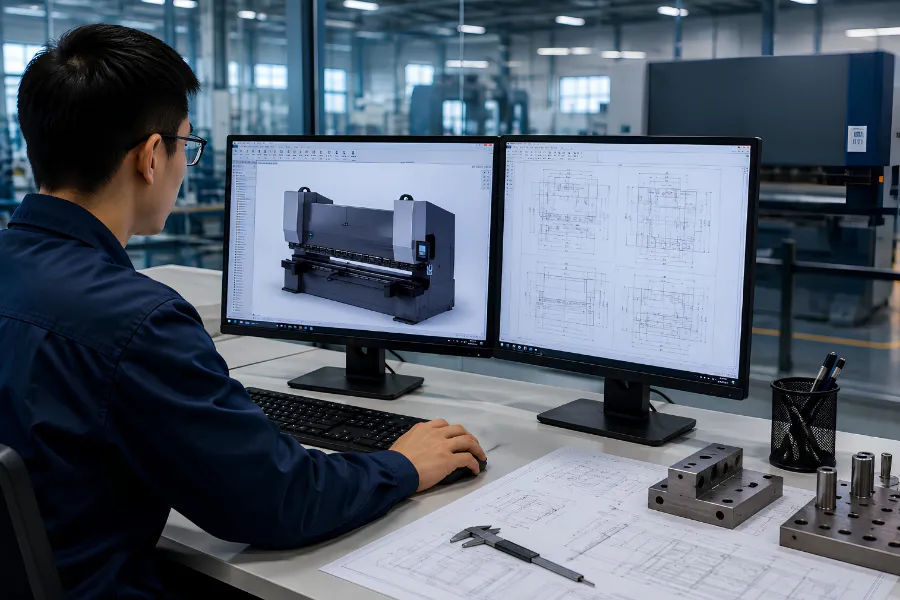
Press brake configuration should start with the workpiece and bending process. Material, thickness, bend length, part geometry and production requirements determine the machine and tooling configuration.
Machine Configuration
Tonnage and working length are selected according to the material, thickness and dimensions of the workpiece.
CNC & Backgauge Options
CNC control and backgauge configuration should match the required positioning accuracy, bend sequence and part complexity.
Tooling Selection
Punches, dies and V-die openings should be selected according to material thickness, bend radius, flange dimensions and bending method.
Automation Integration
Material handling, robotic bending and other automation options can be considered where production volume and process requirements justify them.
Quality Control
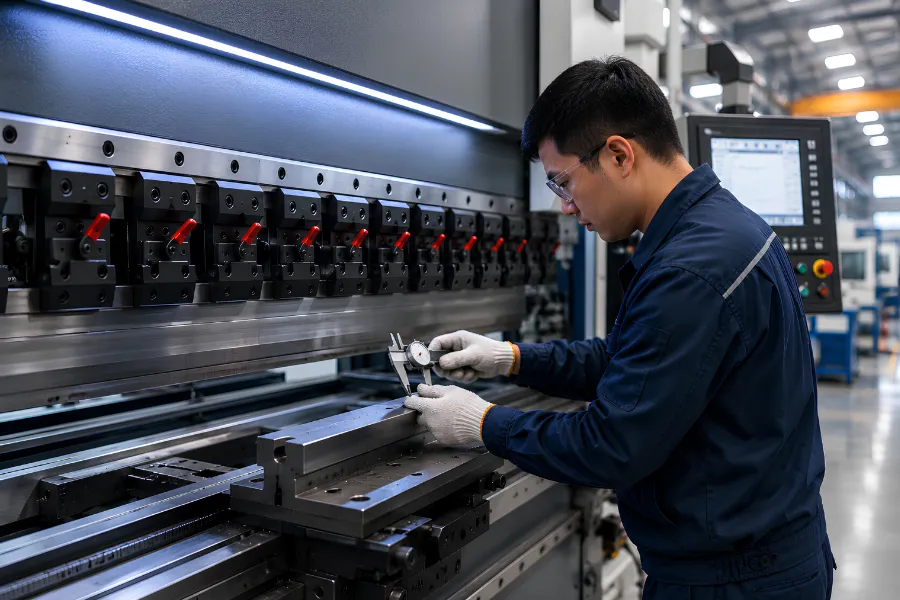
A press brake should be evaluated as a complete bending system. Machine geometry, ram movement, positioning, CNC functions and trial bending can all affect the final result.
Assembly Inspection
Mechanical, hydraulic and electrical systems should be checked during machine assembly.
Machine Geometry Check
Critical alignment and machine geometry should be verified to support stable bending operation.
CNC & Backgauge Verification
Control functions and positioning systems should be checked under operating conditions.
Trial Bending
Trial bending provides a practical way to verify machine setup, tooling, positioning and bending performance.
Support & Application Guidance
Supporting the Bending Process
Press brake selection involves more than machine capacity. Installation conditions, tooling, operation, maintenance and production requirements should also be considered when evaluating a bending solution.
01 Installation & Setup
Machine installation, leveling, electrical requirements, tooling setup and initial configuration should be considered before production.
02 Operator Guidance
Operators need clear procedures for CNC setup, tooling changes, positioning and common bending adjustments.
03 Maintenance Considerations
Hydraulic systems, tooling, backgauges and other machine components require appropriate inspection and maintenance according to operating conditions.
04 Spare Parts Planning
Critical wear components and replacement parts should be considered according to the machine configuration and production environment.
Looking for the Right Press Brake Configuration?
Tell us the material, thickness, bending length, part geometry and production requirements. These factors can be used to evaluate the required machine capacity, tooling and configuration.