Address
304 North Cardinal St.
Dorchester Center, MA 02124
Work Hours
Monday to Friday: 7AM - 7PM
Weekend: 10AM - 5PM
PRESS BRAKE MACHINES
BENDORA CNC hydraulic press brakes combine synchronized hydraulic power with CNC-controlled positioning for accurate, repeatable sheet metal bending. Available in multiple tonnage and bending-length configurations for general fabrication and medium-to-heavy production.
Compare available CNC hydraulic press brake models by bending force and working length to find a suitable configuration for your sheet metal production.
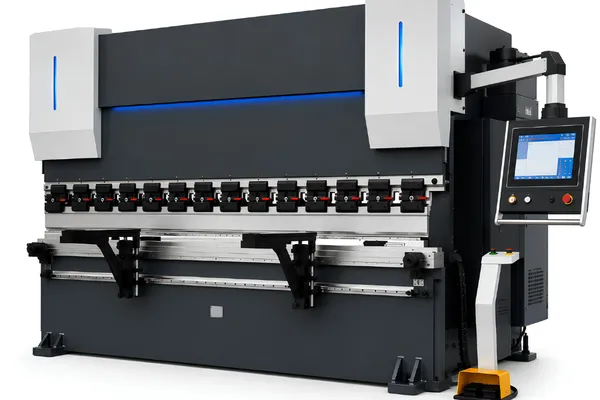
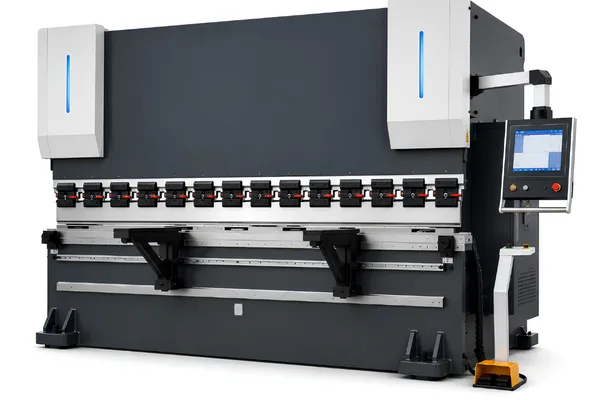
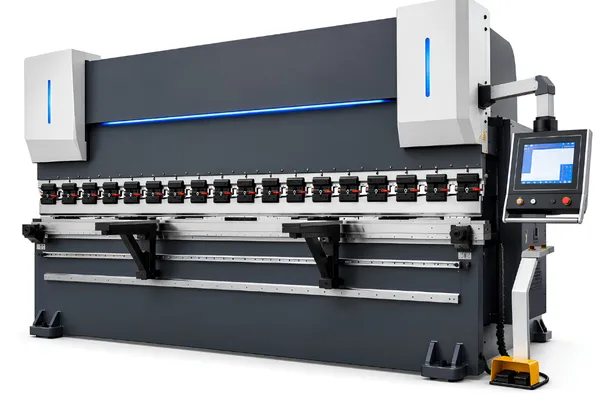
From manufacturing and quality control to engineering and after-sales support, BENDORA focuses on the capabilities that support reliable CNC hydraulic press brake production.
BENDORA integrates frame fabrication, precision machining, machine assembly and final testing to maintain consistent manufacturing control from structural components to completed press brake systems.
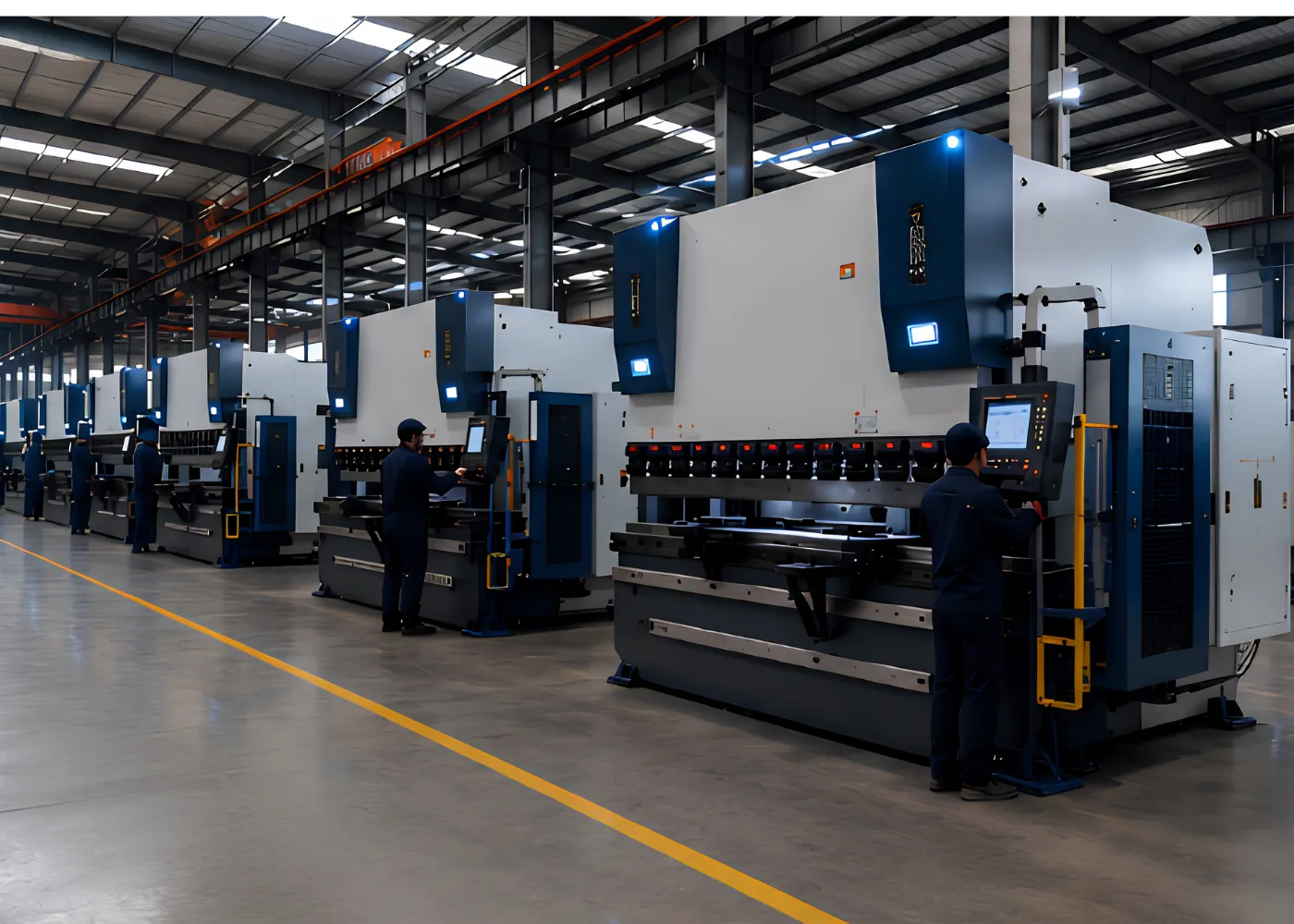
Every CNC hydraulic press brake goes through inspection and functional testing before shipment. Key checks cover machine geometry, hydraulic and electrical operation, CNC functions, backgauge positioning and trial bending performance.
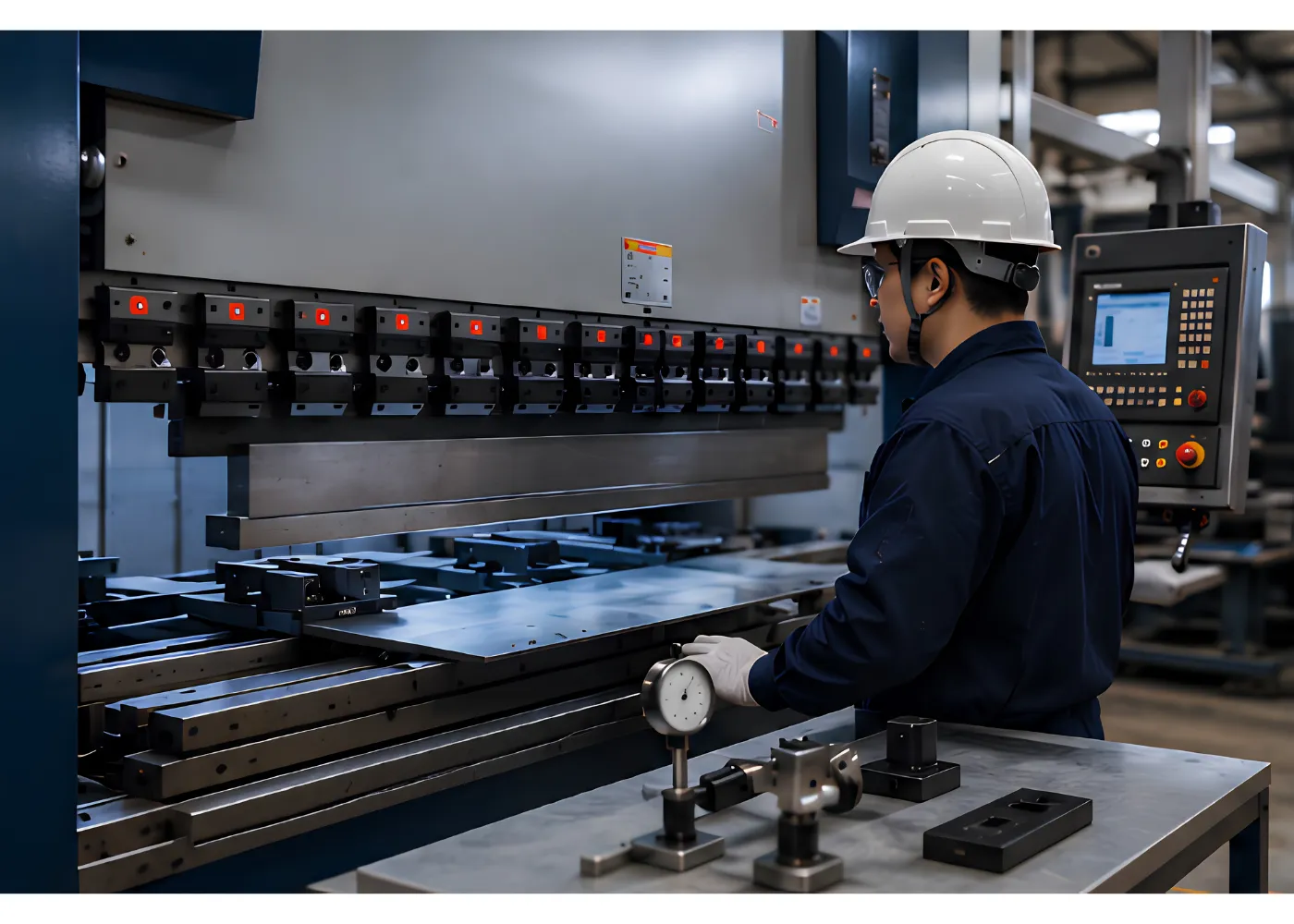
100% Pre-Shipment Testing
Each completed machine undergoes functional inspection before it is approved for shipment.
Machine Geometry & Positioning Checks
Critical machine geometry, ram movement and backgauge positioning are checked to support consistent bending operation.
Trial Bending Verification
Final trial bends help verify machine setup, control functions and bending performance under operating conditions.
BENDORA configures each press brake around material type, thickness, bending length, part geometry and production requirements. CNC control, backgauge, tooling, safety and automation options can be matched to the application.
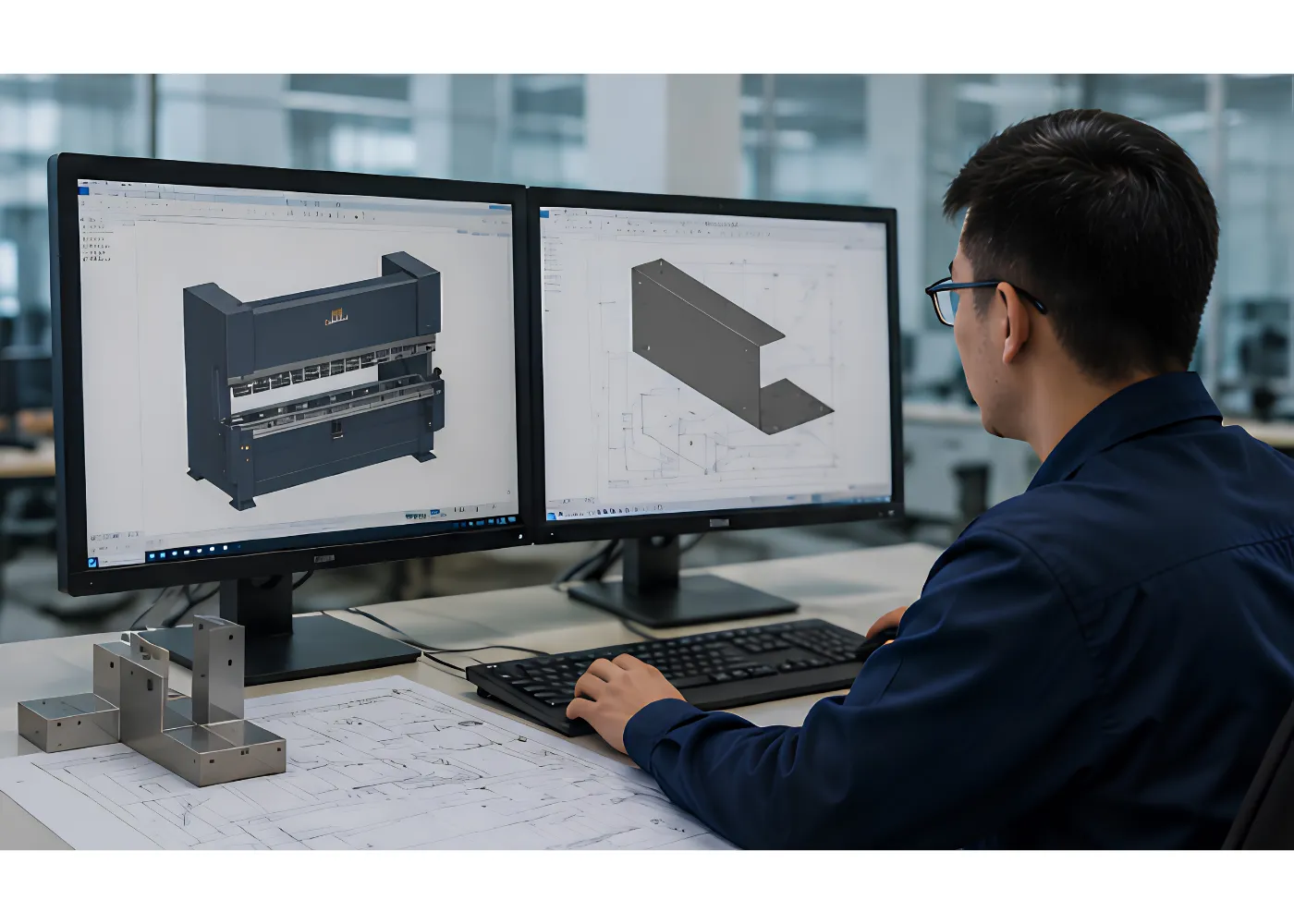
Application-Based Machine Selection
Bending force, working length and machine configuration are selected around the parts and materials to be processed.
Flexible Machine Configuration
CNC controls, backgauge axes, tooling and safety systems can be configured for different production requirements.
Automation Integration
Options for material handling, robotic bending and other automation can support higher-volume or specialized production.
BENDORA provides technical support from machine installation and commissioning through operation and maintenance. Remote troubleshooting, operator guidance and spare-parts support help customers keep their press brake equipment running reliably.
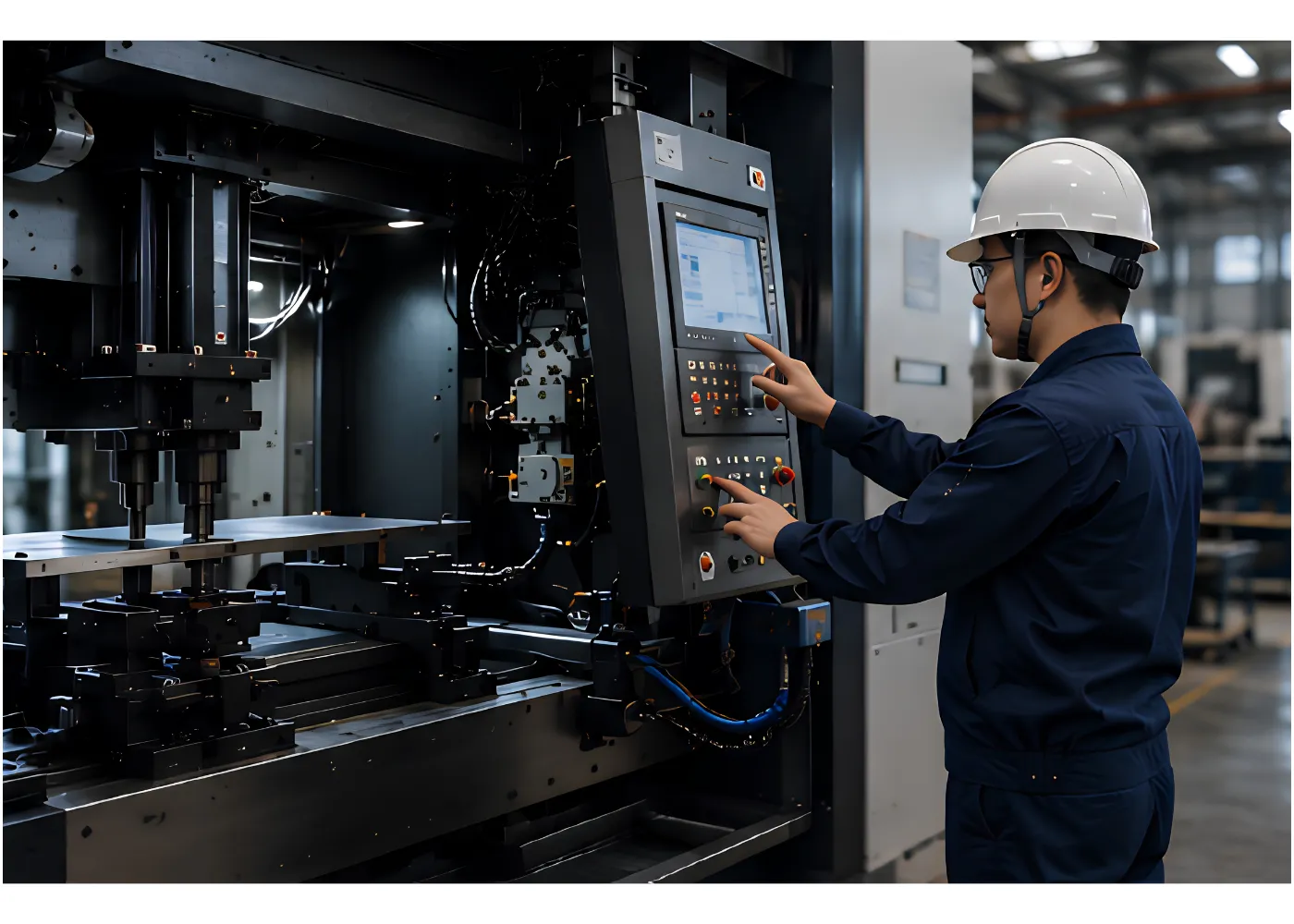
Installation & Commissioning Support
Technical guidance supports machine installation, setup, commissioning and initial production preparation.
Remote Technical Assistance
Remote troubleshooting and operating guidance help identify machine, CNC and process-related issues when support is needed.
Spare Parts & Maintenance Support
Replacement parts and maintenance guidance support long-term machine operation and help reduce unnecessary downtime.
Choosing a CNC hydraulic press brake requires more than comparing machine tonnage. Material type, sheet thickness, bending length, tooling, bend geometry, and production requirements all affect the machine configuration needed for a specific application.
A practical selection process starts with the parts you need to produce and works backward toward the required bending force, working length, tooling, and machine configuration.
Required bending force depends on several factors working together, including:
A practical evaluation sequence is:
Material → Thickness → Bending Method → V-Die → Required Force → Machine Tonnage
Technical references used for this project provide the following simplified relationship for SS material under the stated conditions:
P = 68 × t² ÷ V
The relationship illustrates an important principle — required bending force increases rapidly as material thickness increases and decreases as the V-die opening becomes wider.
This formula should be treated as an initial reference rather than a universal press brake sizing formula. Actual machine selection should consider material strength, total bending length, tooling, bending method, and part geometry together.
Tonnage and working length describe two different machine requirements.
Bending force determines the forming capacity available to deform the material, while working length determines the practical width of the component that can be accommodated.
A press brake may provide sufficient tonnage but still be unsuitable if the workpiece exceeds its usable working length. Conversely, selecting substantially more capacity than the application requires may increase equipment cost and floor-space requirements without providing a corresponding production benefit.
For this reason, bending force and working length should be evaluated separately before selecting a CNC press brake.
The V-die opening influences how sheet metal is formed and how much force the bending operation requires.
V-die selection can affect:
A wider V-opening can reduce the required bending force, but it also changes the resulting bend geometry.
The objective is therefore not to select the largest or smallest die available. The V-die should be matched to the material thickness, bending method, required radius, flange dimensions, and part geometry.
Different press brake bending methods involve different relationships between forming force, flexibility, tooling, and angle control.
Air bending forms the sheet through controlled punch penetration without forcing the material completely into the die profile.
This method provides flexibility for producing different bend angles, although material properties, machine conditions, and springback can influence the final angle.
Bottom bending brings the workpiece into closer contact with the die profile.
Under suitable conditions, it can provide consistent bend angles, although material springback and tooling geometry still need to be considered.
Coining-type or corrective bending applies substantially greater pressure to control the bend more aggressively.
It can support tighter bending conditions and smaller bend radii, but the higher force requirement makes machine capacity and tooling selection particularly important.
No single bending method is suitable for every part. The appropriate process depends on material, thickness, bend geometry, required accuracy, tooling, and available machine capacity.
Bending accuracy depends on more than CNC positioning.
Material properties, springback, tooling condition, machine structure, ram control, and workpiece positioning can all influence the finished bend.
A more realistic relationship is:
Machine Structure + Positioning + Tooling + Material + Bending Process = Bending Result
Springback occurs when the material partially returns toward its original shape after forming pressure is released. Its magnitude varies with material properties, thickness, bend radius, and forming conditions.
Appropriate tooling, bend-radius selection, process adjustment, positioning, and trial bending can therefore be just as important as programmed machine movement when establishing a repeatable production process.
Press brake tooling is part of the complete bending system rather than simply an accessory attached to the machine.
Punch and die geometry influence how the material is contacted and formed, which can affect:
Tooling should therefore be selected around the part geometry, material, bending method, and production requirements rather than simply matching a standard punch and die to the machine.
Specialized press brake tooling can provide practical benefits for applications involving:
Surface-sensitive sheets require particular attention to die contact. Sliding between the material and die can create visible marks on finished parts.
Depending on the application, appropriate die geometry, surface treatment, lubrication, or protective tooling can help reduce marking and maintain the required surface quality.
Understanding common bending problems can help buyers evaluate not only the press brake itself, but also the tooling and process required for their parts.
Sliding contact between the sheet and die can create visible surface marks.
When appearance is critical, die shoulder geometry, tooling condition, lubrication, surface treatment, and dedicated scratch-prevention solutions may need to be considered.
Cracking can be influenced by material properties, rolling direction, edge condition, and inside bend radius.
Increasing the bend radius and considering material orientation can help reduce cracking risk in suitable applications.
Angle variation may result from springback, material variation, tooling, positioning, or machine conditions.
Trial bending and controlled process adjustment can help establish more repeatable production settings.
Complex profiles can interfere with the tooling or with sections that were formed during previous bending operations.
Part geometry and bending sequence should therefore be reviewed before tooling and machine configuration are finalized.
Before requesting a machine recommendation or quotation, prepare the main information that defines your bending application:
Providing complete application information makes it easier to evaluate the required bending force, working length, tooling, and machine configuration.
Rather than starting with a specific tonnage, start with the parts you need to manufacture. This provides a more reliable basis for selecting a CNC hydraulic press brake that matches actual production requirements.
Start with material type, thickness, maximum bending length, bend geometry and production requirements. These factors determine the required bending force, working length and tooling configuration.
Tonnage depends on material strength, thickness, bending length, V-die opening and bending method. Technical formulas can provide an initial estimate, but actual machine selection should consider the complete forming condition.
Bending force describes the machine’s forming capacity, while bending length describes the available working width. Both need to match the workpiece.
The V-die opening affects required force, bend radius, flange geometry and material deformation. The appropriate opening depends on material, thickness, bending method and part geometry.
The machine can be configured for different sheet metal applications, but the appropriate capacity and tooling depend on the specific material, thickness and bending requirements.
Tell us your material, sheet thickness, bending length and production requirements. Our team can help you identify a suitable press brake configuration for your application.
Note*: Our sales will contact you within 24 hours.